AMCHAM Food & Agri-Business Alert: Nutrition Facts
Volume 5. 5 of January 17, 2024
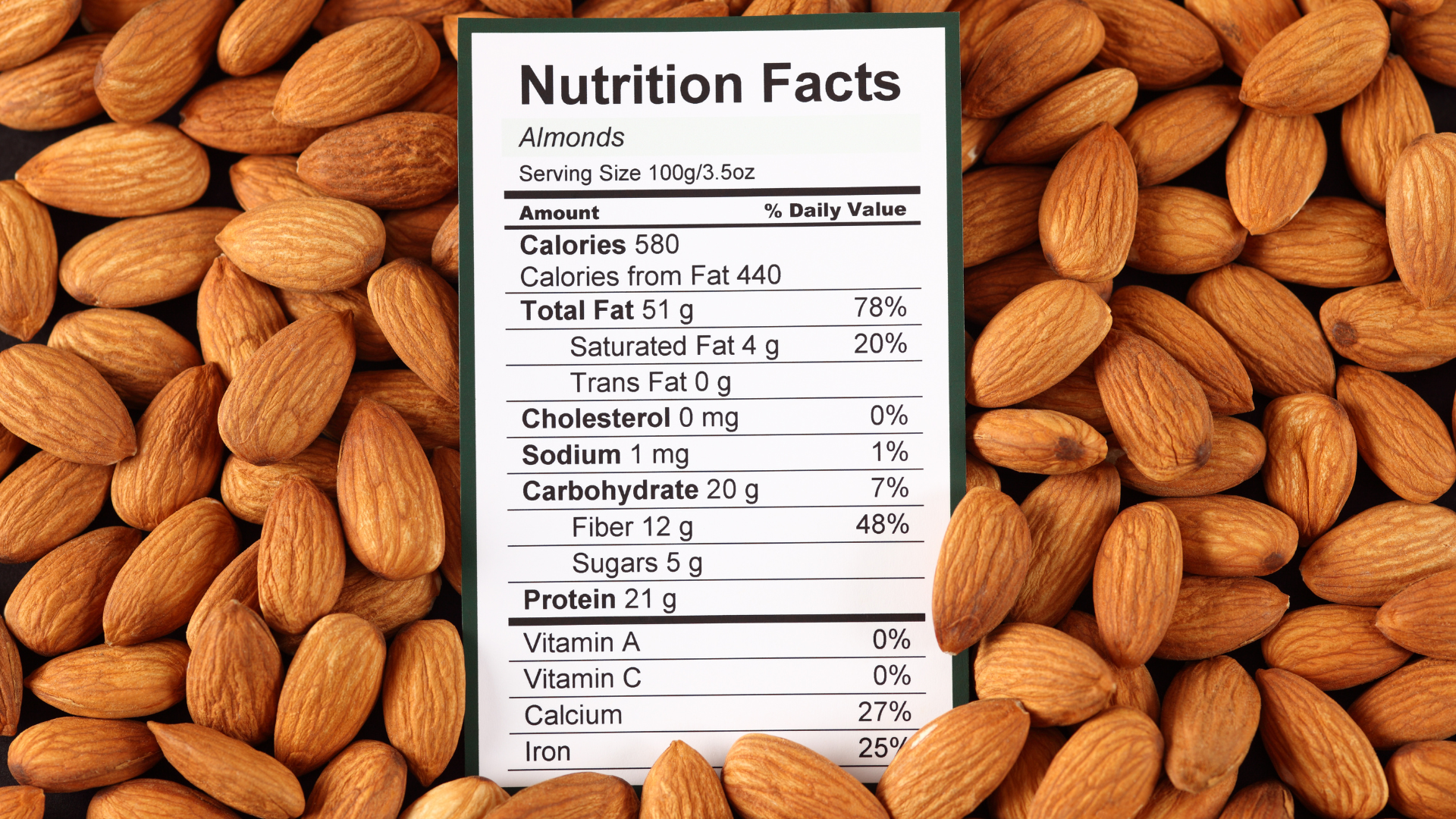
Understanding the nutrition facts label on food items can help you make healthier choices. The label breaks down the amounts of calories, carbohydrates, fat, fiber, protein, and vitamins per serving of the food, making it easier to compare the nutrition content of similar products.
On January 4, 2024, the Thai Food and Drug Administration (TFDA) implemented four regulations in the Government Gazette pertaining to nutrition information. These are important new rules that will affect food businesses in Thailand.
This Notification repeals and replaces the following Notifications:
1) Notification of the Ministry of Public Health (No. 182) B.E. 2541 (1998) Re: Nutrition Labeling
2) Notification of the Ministry of Public Health (No. 219) B.E. 2544 (2001) Re: Nutrition Labeling (No. 2)
3) Notification of the Ministry of Public Health (No. 392) B.E. 2561 (2018) Re: Nutrition Labeling (No. 3)
In Thailand, a nutrition facts label is compulsory for foods that present nutrition claims, health claims, and food values in sales promotions. In addition, foods that are required to bear the Guideline Daily Amounts, GDA Labeling (for example, snacks, chocolates, bakery products, beverages, dairy products, ice cream, and more) are also required to present a nutrition facts label. It is a voluntary inclusion for other foods.
One important change that will affect food businesses is the new format requirements for a nutrition label.

A second change that may also affect food businesses is the revised amounts of Thai Recommended Daily Intakes (RDIs) for vitamins and minerals. The updated Thai RDIs are as follows:

Food companies will need to prepare new nutrition facts labels to comply with this Notification. The TFDA provides an exemption period for foods having nutrition labels made prior to this Notification becoming effective. This period will not be more than three (3) years from the date this Notification becomes effective.
The TFDA has reviewed the criteria and conditions for displaying a nutrition table in the Notification of the Ministry of Public Health on nutrition labeling. Hence, the nutrition labeling requirements of the Notification of Ministry of Public Health (No. 394) B.E. 2561 (2018) Re: Food Products Required to Bear Nutrition Labeling and Guideline Daily Amounts, GDA Labeling should comply with the Notification of the Ministry of Public Health Re: Nutrition Labeling.
This Notification provides the requirements for displaying health claims on food labels, including the guidelines for the safety assessment of a new health claim not previously accepted by the TFDA.
“Health claim” means a declaration or statement, image, mark, symbol, trademark, or any information related to the relationship between a food or a constituent of that food, and health benefits, both directly and indirectly, as classified into three types:
“Nutrient function claim” means a declaration of benefits related to the physiological role of the nutrient in the growth, development and normal functions of the body.
“Other function claim” means a declaration of specific beneficial effects of the consumption of foods or their constituents in the context of the total diet on normal functions or biological activities of the body. Such claims relate to a positive contribution to health or to the improvement of a function or to modifying or preserving health.
“Reduction of disease risk claim” means a declaration of benefits related to consuming a food or food constituent to the reduced risk of developing a disease or health-related condition.
The updated wording of a claim allowed by the TFDA on a food label may be a total of 149 words. The additional wording claims of other functions claiming and a reduction in disease risk were included in the positive list of wording claims. The claims for beta-glucans from oats/barley, Phytosterols/Phytostanols, Choline, EPA, DHA, sodium, and saturated fat were included.
This Notification provides the updated maximum limits of vitamins and minerals for use in food supplements. The minimum limits of vitamins and minerals for use in food supplements are more than 15% of Thai RDIs, as set out in the Notification of the Ministry of Public Health (No. 445) B.E. 2566 (2023) issued by virtue of the Food Act B.E. 2522 Re: Nutrition Labels.
The interesting changes are as follows:
• Vitamin D changes from 5 mcg to 15 mcg.
• Vitamin B1 changes from 1.5 mg to 100 mg.
• Vitamin B2 changes from 1.7 mg to 40 mg.
• Pantothenic Acid changes from 6 mg to 200 mg.
• Vitamin B12 changes from 2 mcg to 600 mcg.
• Biotin changes from 150 mcg to 900 mcg.
• Vitamin C changes from 60 mg to 1,000 mg.
• Chromium changes from 130 mcg to 500 mcg.
These Notifications will become effective on July 2, 2024. Foods having nutrition labels or health claims made prior to these Notifications can remain in use throughout distribution, but for not more than three (3) years as from the date this Notification becomes effective. This means that all products in the market should comply with these new Notifications on or after July 2, 2027.