U.S. Tax Planning – Why Invest in Thai & Offshore Funds
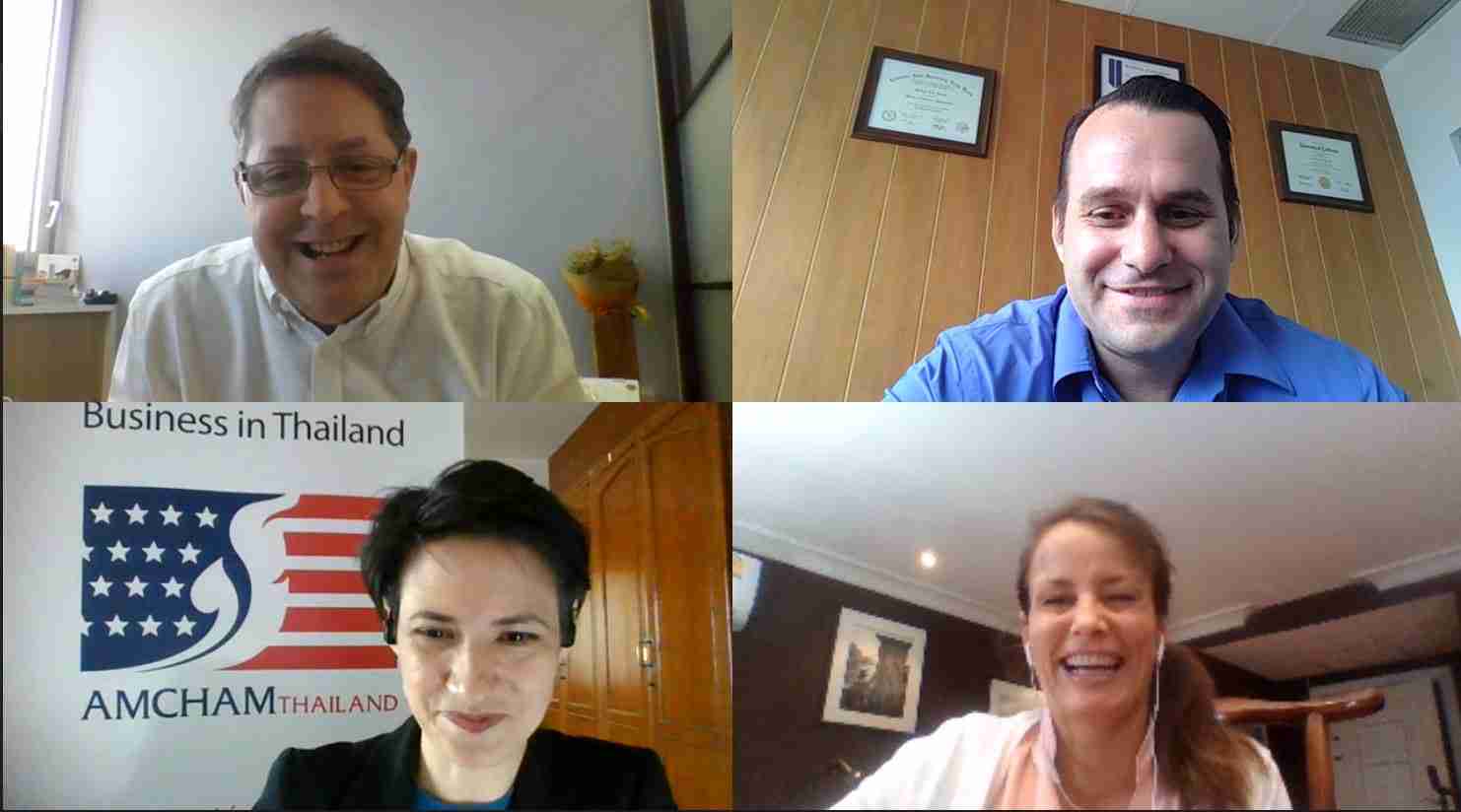
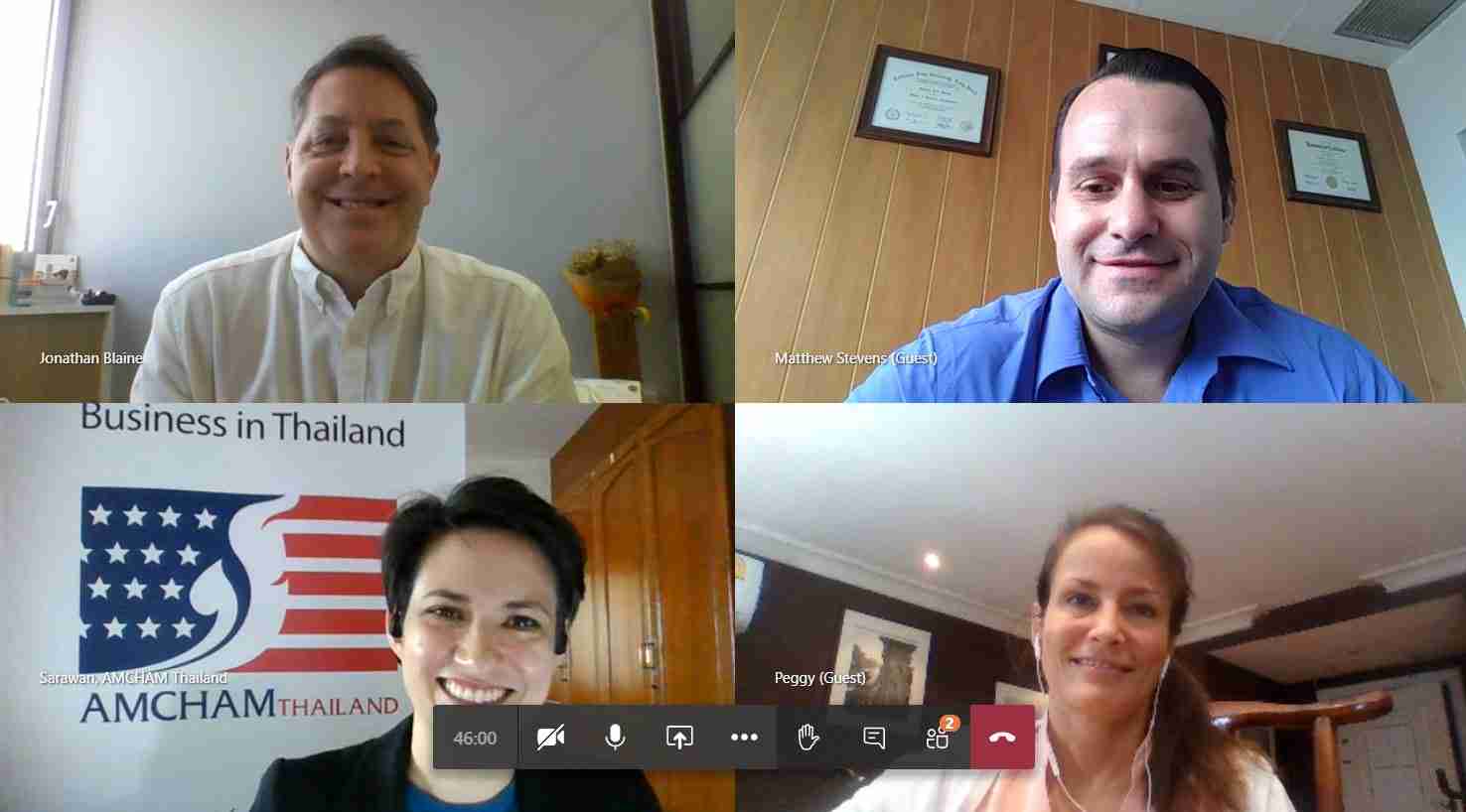
On August 19, AMCHAM’s Tax Committee held U.S. Tax Planning – Why Invest in Thai & Offshore Funds to over 30 registrants through a video conference. For many U.S. citizens hold investments in a Thai provident fund as part of their compensation packages and this event addressed the advantages and disadvantages of being a shareholder in a Passive Foreign Investment Corporation or PFIC. AMCHAM Tax Committee Co-Chair, Jonathan Blaine introduced expert speakers Matthew Stevens, Director of Taxation at Global U.S. Tax Plan; and Peggy Creveling, Executive Director of Creveling & Creveling.
Matthew Stevens started off the event by giving a brief history and definition PFIC. He spoke on what investments could fall under this tax requirement; items like: holding investments in financial products such as LTFs and RMFs or participating in an offshore savings plan could be subject to PFIC reporting requirements. Matthew also discussed the best way to address PFICS when reporting on both U.S. and Thai tax requirements.
Peggy Creveling followed with information regarding financial advisory when it comes to PFICs. She gave information on how PFICs compare to Retirement Mutual Funds and the benefits of both. Peggy also provided some caution regarding why it may be best to avoid offshore Insurance Linked Investment schemes as it related to her research. She ended her presentation with insight regarding financial planning with PFICs. Matthew then ended the presentation with recent updates to the U.S. Tax Code regarding executive orders and their legality.
Jonathan Blaine then opened the floor for a question and answer session with participants. Attendees were curious about specific types of investments and whether they qualified for the specialized tax reporting. The presentation for this event is available on the AMCHAM Member Portal.